Spring allergy season hits hard once pollen counts spike, and an air purifier in the right room can make a real difference before your enemies even kick in. The good news is that you do not need a $400 machine to get real relief. This guide covers the top 5 air purifiers for allergies under 150, based on True HEPA filtration, CADR performance, and real-world room coverage, so you can breathe easier without blowing your budget.
What to Look for in an Air Purifier for Allergies?
Not every “HEPA-style” purifier actually filters at HEPA standard. Before you buy, check these four things:
- True HEPA filtration. A genuine true HEPA air purifier under 150 captures 99.97% of particles as small as 0.3 microns, including pollen, dust, and pet dander. Skip anything labeled “HEPA-type” or “HEPA-like.”
- CADR rating. Clean Air Delivery Rate tells you how fast a unit clears smoke, dust, and pollen from a room. Higher CADR means faster, more noticeable relief.
- Room size match. A purifier rated for a 150 sq ft room will struggle in an open-concept living space. Always size up if you can.
- Activated carbon layer. This helps with odors and gases, useful if pets are part of your allergy triggers.
Quick Comparison Table
| Purifier | Price Range | True HEPA | Room Coverage | Best For |
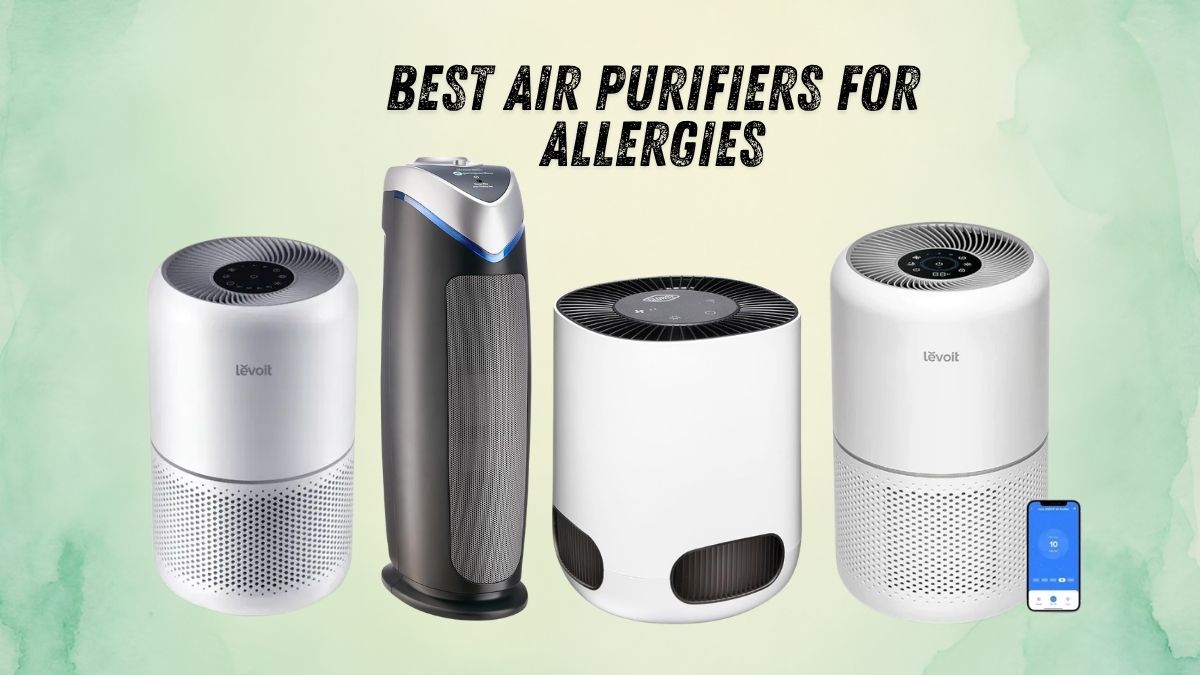
| Levoit Core 300 | ~$99 | Yes | Up to 219 sq ft | Best Overall Value |
| GermGuardian AC4825 | ~$80–$95 | Yes | Up to 167 sq ft | Best for Pet Dander on a Budget |
| Clorox Medium Room Purifier | ~$100–$130 | Yes | Up to 1,000 sq ft (max) | Best Air Purifier for Pollen |
| Coway Airmega AP-1512HH | ~$130–$155* | Yes | Up to 361 sq ft | Best CADR Performance |
| Levoit Core 300S | ~$129–$149 | Yes | Up to 219 sq ft | Best Smart Features |
The 5 Best Air Purifiers for Allergies Under $150
1. Levoit Core 300: Best Overall Value
The Core 300 has built a loyal following for good reason. It pairs a true HEPA filter with a strong CADR score for its size, and it stays whisper-quiet on lower speeds.
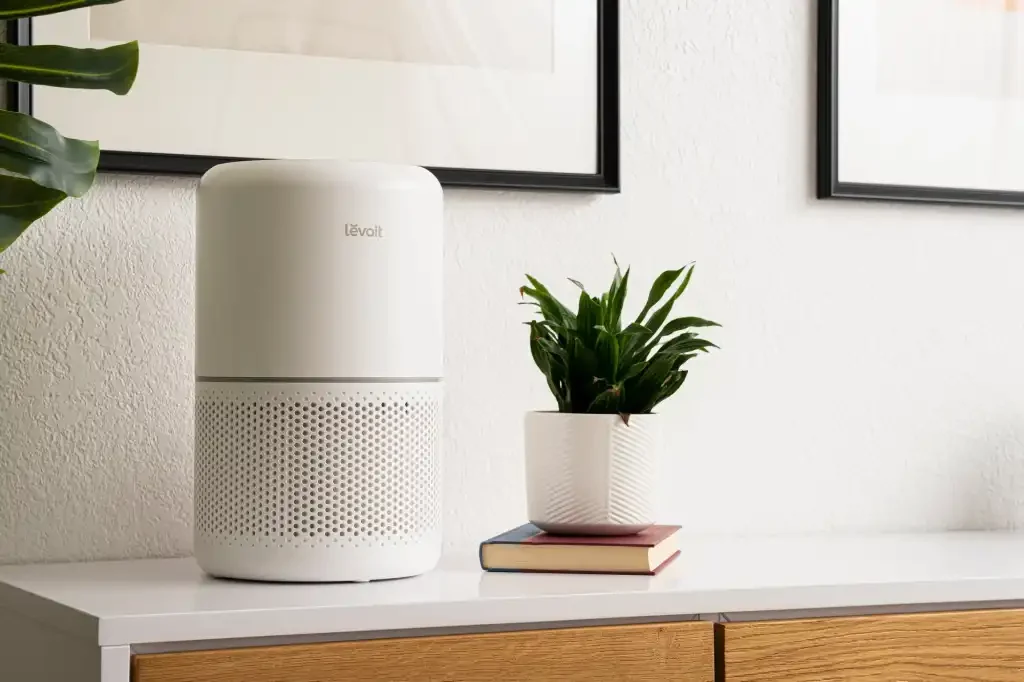
- Three-in-one filter with pre-filter, activated carbon, and True HEPA layer
- Traps 99.97% of particles down to 0.3 microns, including pollen and dander
- Runs as low as 24dB, ideal for bedrooms
- Compact design that fits easily on a nightstand or desk
Best suited for bedrooms and home offices up to around 220 sq ft, though many owners run it in slightly larger rooms on higher fan speeds.
2. GermGuardian AC4825: Best Air Purifier for Pet Dander Budget
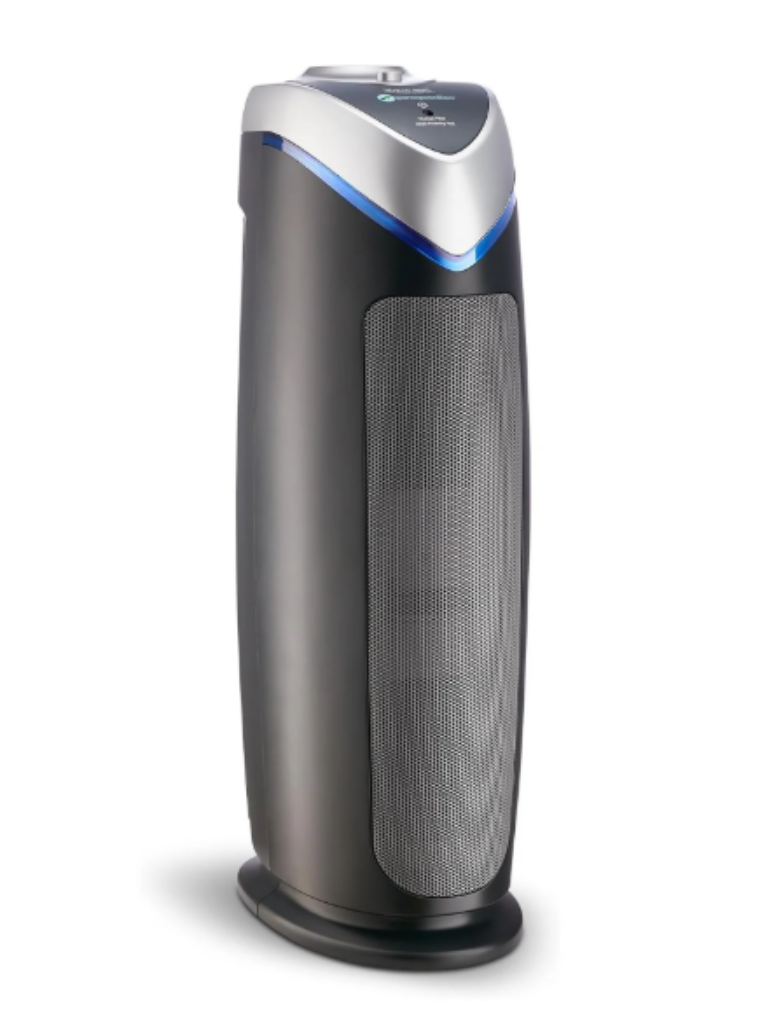
If you are watching every dollar and dealing with pet allergies, this is a smart pick. It is one of the most affordable options with a genuine HEPA filter, and the optional UV-C light adds an extra layer against airborne bacteria.
- True HEPA filter rated to capture pet dander, dust, and pollen
- Pre-filter with charcoal layer to reduce pet odors
- Optional UV-C sanitizer for households with pets or smokers
- Frequently the cheapest true HEPA option on this list
This unit is best for smaller rooms. It is not the fastest performer at higher square footage, so keep it in bedrooms, home offices, or dorm rooms for the best results.
3. Clorox Medium Room Air Purifier: Best Air Purifier for Pollen
Clorox entered the air purifier space with a strong first product, and this model stands out for pollen-heavy spring seasons thanks to its high CADR for pollen specifically.
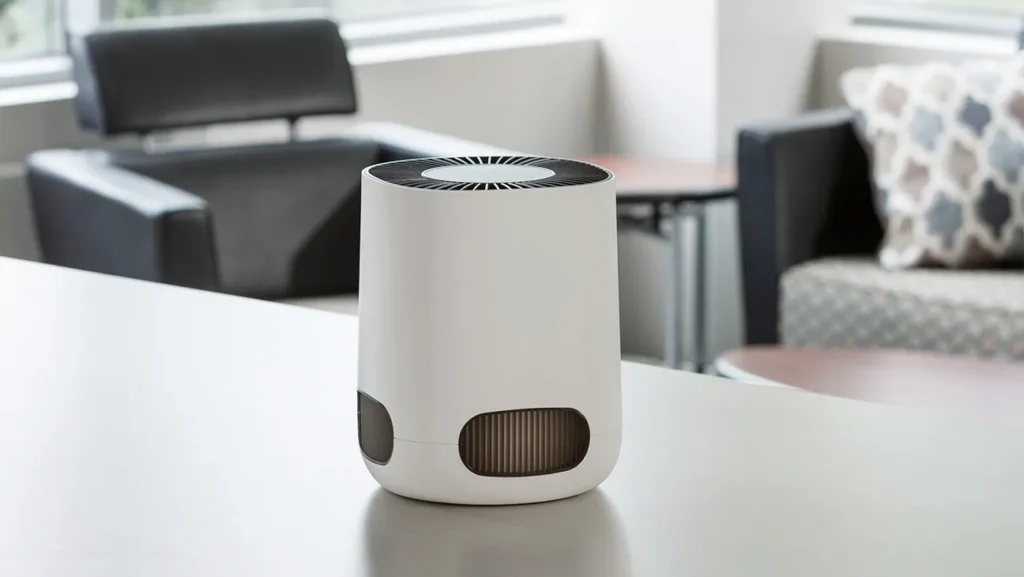
- CADR of 160 CFM for pollen, among the strongest in this price range
- Three-stage filtration with pre-filter, True HEPA, and activated carbon
- PM2.5 digital display so you can track air quality in real time
- Auto mode adjusts fan speed based on detected particle levels
Recommended room size is around 225 sq ft for fast cleaning, with a maximum rated coverage up to 1,000 sq ft on lower air-change targets. That flexibility makes it a solid choice for living rooms as well as bedrooms.
4. Coway Airmega AP-1512HH Mighty: Best CADR Performance
The Coway Mighty has topped independent testing lists for years, and its CADR numbers explain why. It moves more air, faster, than anything else near this price point.
- CADR of 233 (smoke), 246 (dust), and 240 (pollen) CFM
- Four-stage filtration including a deodorization filter and true HEPA layer
- Real-time air quality sensor with color-coded indicator light
- Energy Star certified for efficient long-term operation
List price sits close to $230, but it frequently sells for $130 to $155 during promotions, which keeps it well within reach for this guide. Watch for sales if you want the strongest performance on this list.
5. Levoit Core 300S: Best Smart Features
The Core 300S takes everything solid about the Core 300 and adds WiFi control, an air quality sensor, and app-based scheduling, all while staying under $150.
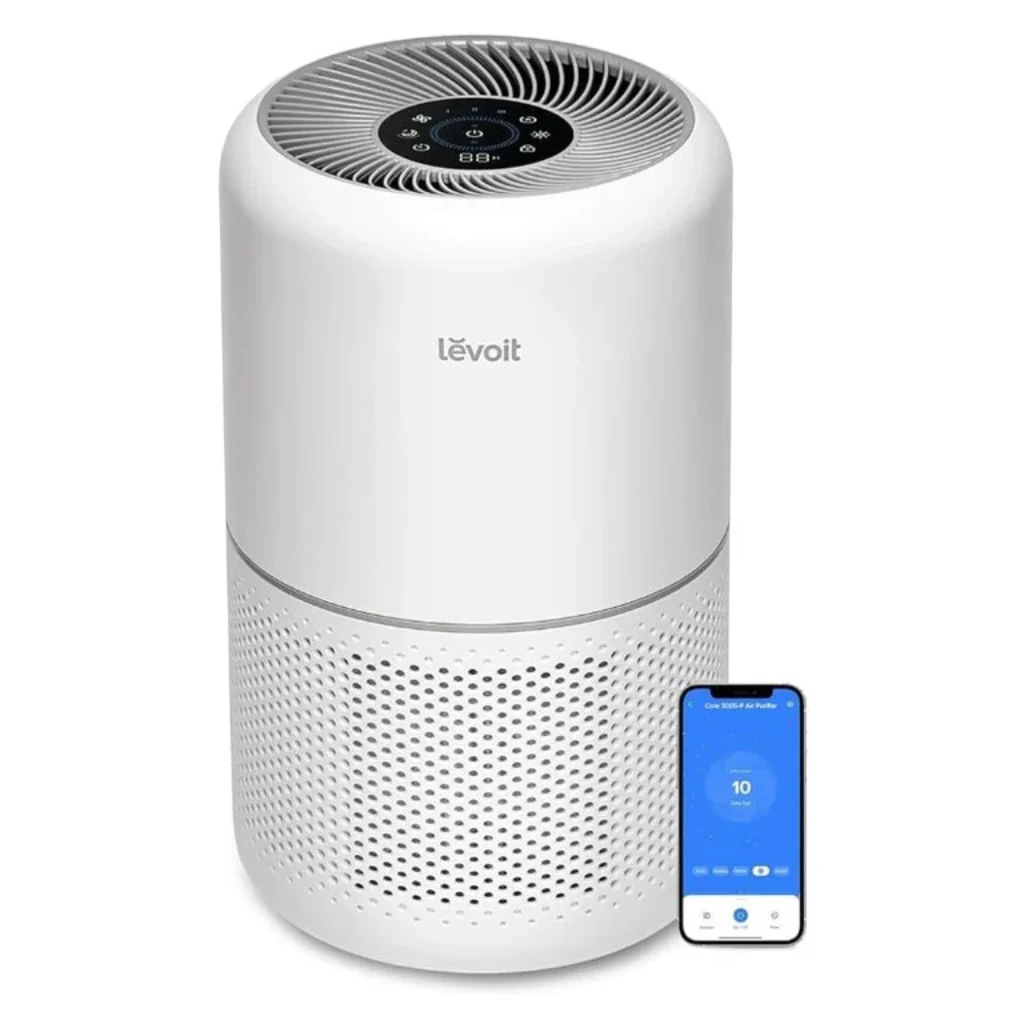
- Same CADR and HEPA-grade filtration as the Core 300
- Built-in PM2.5 sensor with automatic fan adjustment
- App control through the VeSync platform, plus voice assistant support
- Sleep mode stays under 26dB for undisturbed rest
This is the pick for anyone who wants to check air quality remotely or set schedules ahead of pollen spikes forecasted for the week.
You May Also Like : Snow Teeth Whitening Review: What to Know Before You Buy
Filter Maintenance and Replacement Costs
Every purifier on this list needs periodic filter changes to keep performing at its rated CADR. Skipping replacements is one of the most common reasons people feel like their unit “stopped working.”
- Levoit Core 300 and 300S: Replace the 3-in-1 filter roughly every 6 to 8 months with regular use; genuine replacement filters typically run $20 to $30.
- GermGuardian AC4825: The HEPA filter (Filter B) should be swapped every 6 to 8 months, with the UV-C bulb lasting about a year.
- Clorox Medium Room Purifier: Filter life depends on air quality but generally lasts 6 to 8 months in average households.
- Coway Airmega AP-1512HH: The HEPA filter lasts up to a year, while the deodorization filter needs replacement roughly every 6 months.
Set a phone reminder tied to the season change, since spring and fall are when filters tend to clog fastest from pollen loads.
Where to Place Your Air Purifier for Best Results
Placement affects performance just as much as the unit itself. A few rules apply across every model on this list:
- Keep it away from walls and furniture. Leave at least a foot of open space on all sides so air can flow in and out freely.
- Avoid corners. Corners restrict airflow and reduce how much air the unit can actually pull through the filter each hour.
- Position it near your main trigger source. For pollen, that usually means near a window or entry point. For pet dander, place it near where pets sleep or spend the most time.
- Elevate it slightly if possible. Pollen and dust tend to settle low, but placing the unit on a stand or table can improve circulation in larger rooms.
Running the purifier on auto mode, where available, is generally more effective than manually switching speeds throughout the day. It reacts to real-time particle spikes, such as when a window opens or a pet walks in from outside.
How to Choose the Right One for Your Space
Match the purifier to your actual room size first, since an undersized unit will run constantly without keeping up. If pet dander is your main trigger, prioritize models with a strong activated carbon layer alongside the HEPA filter.
For pure pollen control during spring allergy season, look at CADR pollen scores specifically rather than the overall average. Budget for filter replacements too. Most of these models need a new filter every six to twelve months, and that ongoing cost varies by brand.
Frequently Asked Questions
Q: Do cheap air purifiers actually help with allergies?
Yes, as long as they use a true HEPA filter and are sized correctly for the room. Price does not always equal performance, and several budget models on this list outperform pricier competitors in CADR testing.
Q: How often should I run my air purifier during allergy season?
Most manufacturers recommend continuous operation on auto mode during peak pollen months, since allergens re-enter the air throughout the day.
Q: Can one purifier cover my whole home?
Generally no. Air purifiers are rated for single rooms, so most allergy sufferers place one in the bedroom and one in the main living space for consistent coverage.
Q: Is a higher CADR always better for allergies?
A higher CADR means faster particle removal, which is useful, but only if the room size matches the rating. An oversized CADR in a small room simply means the air gets cleaned faster than necessary, while an undersized one in a large room will never fully keep up.
Q: Will an air purifier help with pet allergies specifically?
Yes, provided it has a true HEPA filter combined with an activated carbon layer. The HEPA filter captures the dander particles themselves, while the carbon layer helps with pet odor, which often accompanies dander in shared living spaces.
Conclusion
The best air purifier for allergies under $150 depends on your room size, allergy triggers, and preferred features. Whether you want the budget-friendly GermGuardian, the smart controls of the Levoit Core 300S, or the high-performance Coway Airmega, each model offers reliable True HEPA filtration for cleaner indoor air. Pair the right purifier with timely filter replacements and proper placement, and you’ll be better equipped to reduce pollen, dust, and pet dander throughout the 2026 spring allergy season.