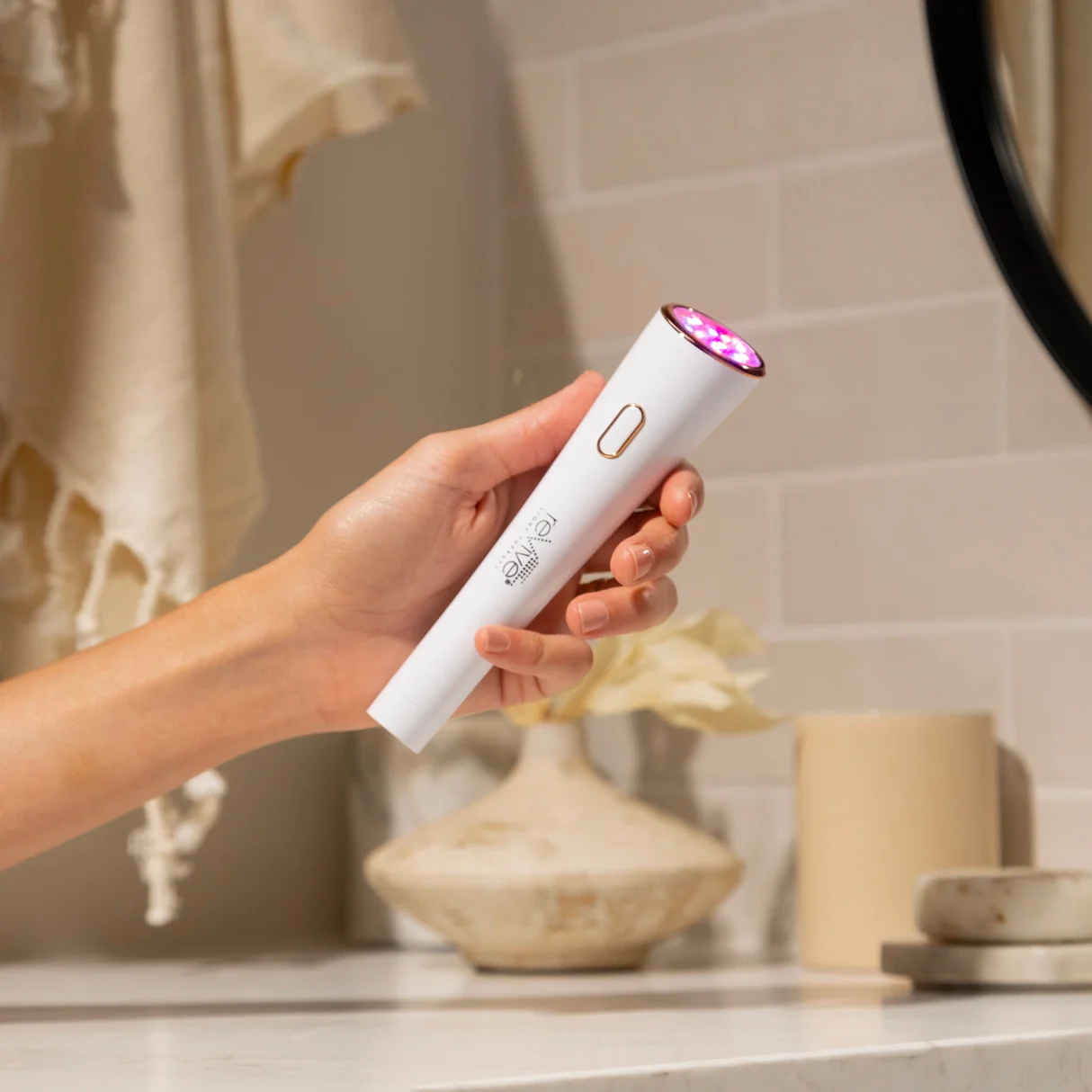
Clearer skin, a smoother-looking complexion, and a more youthful glow are some of the most common skincare goals—and light therapy has become an increasingly popular way to support them. Lux Glō combines two widely used wavelengths of light therapy, blue and red light, to target different skin concerns in one convenient treatment.
Whether you’re dealing with occasional breakouts, visible signs of aging, or simply want to improve the overall appearance of your skin, understanding how blue and red light work can help you decide whether light therapy belongs in your skincare routine.
What Is Lux Glō Light Therapy?
Lux Glō is a light-based skincare approach that uses blue and red light to address different aspects of skin health.
Unlike ultraviolet (UV) light, which can damage skin and contribute to premature aging, LED light therapy uses specific wavelengths that are designed to interact with the skin without UV exposure.
The two main colors serve different purposes:
- Blue light is commonly associated with acne-focused skincare.
- Red light is commonly used to support smoother, firmer-looking skin and address visible signs of aging.
Using both can provide a more comprehensive approach to skincare.
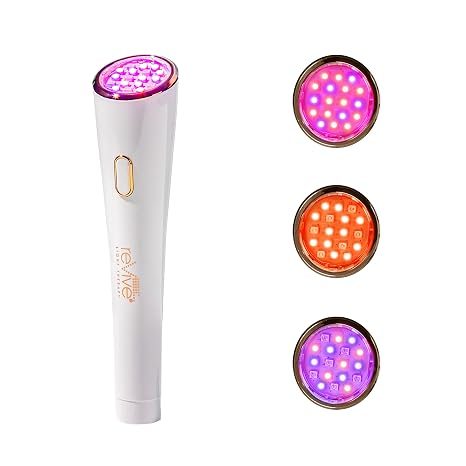
Blue Light for Acne-Prone Skin
Acne can be influenced by excess oil, clogged pores, inflammation, and Cutibacterium acnes, a type of bacteria associated with acne.
Blue light is used in some acne-focused light therapy because certain blue wavelengths can target acne-associated bacteria. This makes blue light an appealing option for people looking to complement their existing acne skincare routine.
With consistent use, light therapy may help support:
- A clearer-looking complexion
- Fewer visible breakouts
- Reduced appearance of acne-related redness
- Healthier-looking skin
However, light therapy isn’t an instant solution. Acne has many potential causes, and results can vary depending on the individual and the severity of the condition.
Red Light for Anti-Aging
As we age, the skin naturally produces less collagen and elastin. This can contribute to fine lines, loss of firmness, uneven texture, and a duller appearance.
Red light therapy is widely studied for its potential effects on cellular activity and skin appearance. It may support processes associated with collagen production and skin repair, making it particularly interesting for people concerned about visible signs of aging.
Potential cosmetic benefits include:
- Smoother-looking skin
- Improved appearance of fine lines
- A more even-looking skin texture
- A healthy-looking glow
- Firmer-looking skin
Red light isn’t a replacement for sun protection or dermatologist-recommended treatments, but it can be incorporated into a broader anti-aging skincare strategy.
Why Combine Blue and Red Light?
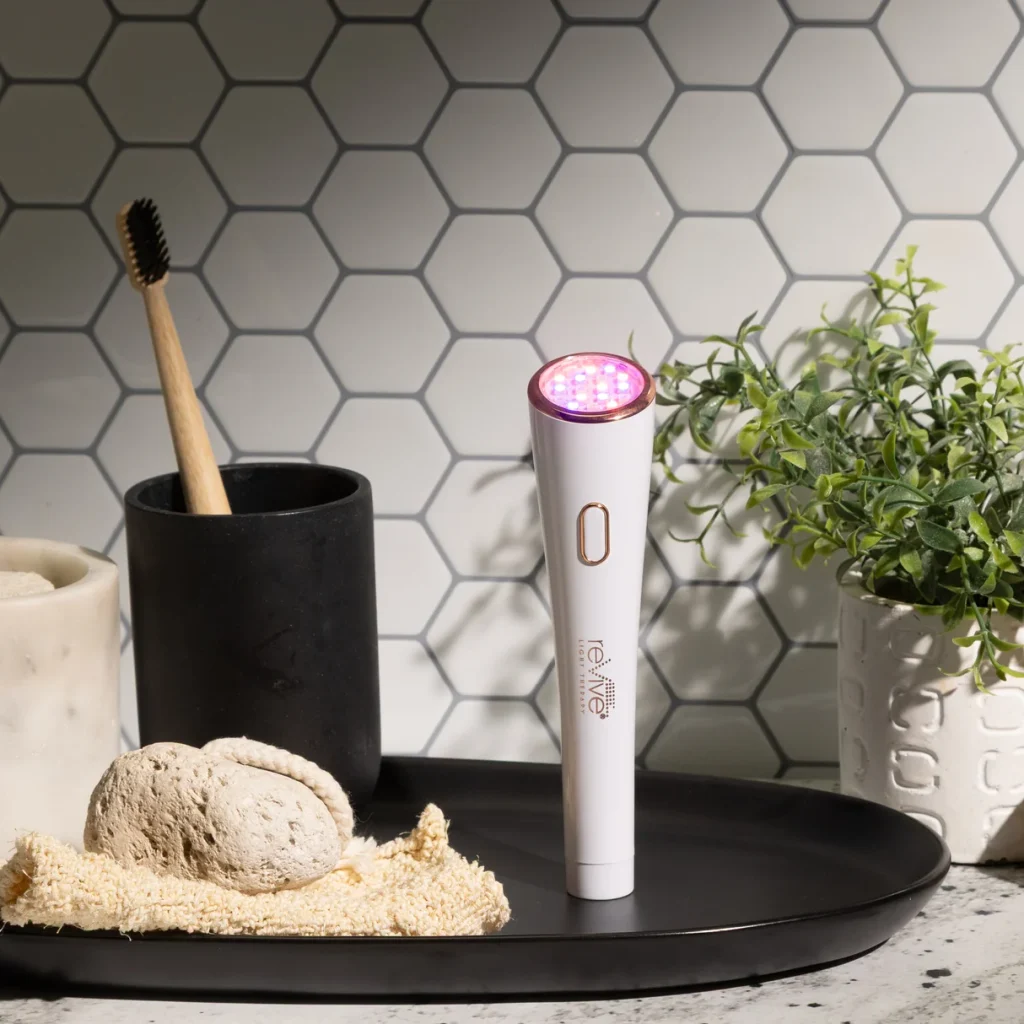
One of the biggest advantages of combining blue and red light is that they address different skin concerns.
Think of it as a two-part skincare strategy:
Blue light → acne-focused care
Red light → anti-aging and skin-quality support
For people who experience both breakouts and early signs of aging, using both wavelengths can make light therapy more versatile than focusing on only one type of light.
How to Incorporate Lux Glō Into Your Routine
Consistency is generally more important than using light therapy excessively. Follow the manufacturer’s instructions regarding treatment duration, frequency, distance, and eye protection.
A simple routine might look like:
- Cleanse your skin and remove makeup or skincare products that could interfere with the treatment.
- Use Lux Glō according to its instructions.
- Apply your usual skincare products afterward, if appropriate.
- Finish your daytime routine with broad-spectrum sunscreen.
Avoid assuming that more light or longer sessions will produce faster results. Following the recommended treatment schedule is the better approach.
Is Light Therapy Safe?
LED light therapy is generally considered a non-invasive skincare treatment, but that doesn’t mean it’s appropriate for everyone.
Some people may experience temporary redness, irritation, or sensitivity. Certain medications and medical conditions can also increase sensitivity to light.
If you’re taking photosensitizing medication, have a light-sensitive condition, have a history of eye problems, or are unsure whether LED therapy is appropriate for you, speak with a healthcare professional before using it.
And remember: blue and red LED light are not the same as UV light. Avoid products that expose your skin to unnecessary UV radiation.
Lux Glō and Your Overall Skincare Routine
Light therapy works best as part of a bigger skincare strategy rather than as a standalone miracle treatment.
For acne-prone skin, that may include gentle cleansing, non-comedogenic products, appropriate acne treatments, and daily sunscreen.
For anti-aging concerns, sun protection is especially important. A broad-spectrum SPF, moisturizer, and evidence-based ingredients such as retinoids or vitamin C may complement a light-based routine, depending on your skin and individual needs.
The Bottom Line
Lux Glō’s combination of blue and red light therapy offers a convenient way to target two popular skincare concerns: acne and visible signs of aging.
Blue light can be useful in acne-focused routines, while red light is commonly used to support smoother, firmer, healthier-looking skin. With regular use and realistic expectations, light therapy can be a useful addition to a well-rounded skincare regimen.
If you’re considering Lux Glō, focus on consistency, follow the device instructions carefully, protect your eyes as directed, and don’t forget the most important anti-aging step of all: daily sun protection.